


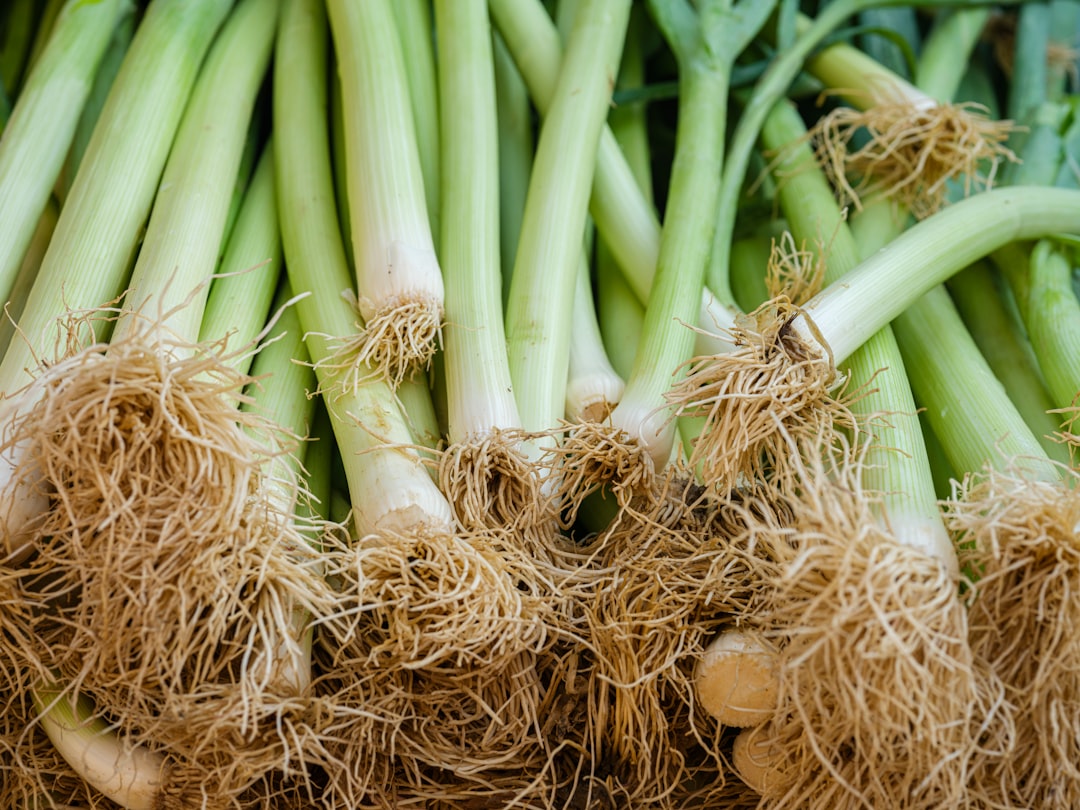
Food sovereignty is a concept that transcends mere food security, emphasizing the right of peoples to define their own food systems. It encompasses not only the availability of food but also the cultural, social, and economic dimensions of food production and consumption. The term was first popularized in the 1990s by the international peasant movement La Via Campesina, which sought to address the inequities in global food systems.
Food sovereignty advocates for local control over food production, prioritizing small-scale farmers and indigenous communities who have historically been marginalized in favor of industrial agriculture and corporate interests. At its core, food sovereignty is about reclaiming the power to make decisions regarding food systems. This includes the right to produce, distribute, and consume food in ways that are ecologically sound and culturally appropriate.
It challenges the dominance of multinational corporations that often dictate agricultural practices and food availability, leading to a homogenization of diets and a loss of biodiversity. By promoting local food systems, food sovereignty aims to enhance community resilience, reduce dependency on external markets, and foster a deeper connection between people and their food sources.
Key Takeaways
- Food sovereignty is the right of people to healthy and culturally appropriate food produced through ecologically sound and sustainable methods.
- Community empowerment is crucial in achieving food sovereignty as it allows communities to have control over their food systems and make decisions that benefit their well-being.
- Building sustainable food systems is essential for achieving food sovereignty as it ensures the long-term availability of healthy and nutritious food for all.
- Challenges in achieving food sovereignty include corporate control of the food system, lack of access to resources, and climate change, but solutions can be found through community-led initiatives and policy changes.
- Government and policy play a crucial role in supporting community empowerment by creating policies that prioritize local food systems, provide resources, and support community-led initiatives.
- Success stories in achieving food sovereignty through community empowerment include community gardens, farmers’ markets, and local food cooperatives that have improved access to healthy food and empowered communities to take control of their food systems.
The Importance of Community Empowerment
Education and Capacity Building
The empowerment process often begins with education, where community members learn about sustainable agricultural practices, nutrition, and the socio-economic implications of their food choices. This education can be facilitated through workshops, training sessions, and collaborative projects that serve as platforms for sharing knowledge and fostering a sense of agency among community members.
When individuals come together to address common challenges related to food access and production, they build networks of support that can lead to innovative solutions. This collective approach not only enhances food security but also strengthens community ties, creating a sense of belonging and shared purpose.
Empowered Communities and Food Sovereignty
Empowered communities are better equipped to advocate for their rights and challenge systemic injustices within the food system. For instance, community gardens can serve as both a source of fresh produce and a space for social interaction, where people share skills and resources. This collective approach ultimately contributes to a more just and equitable food system, where communities have control over their food systems and can make decisions that benefit their well-being and the environment.
Building Sustainable Food Systems
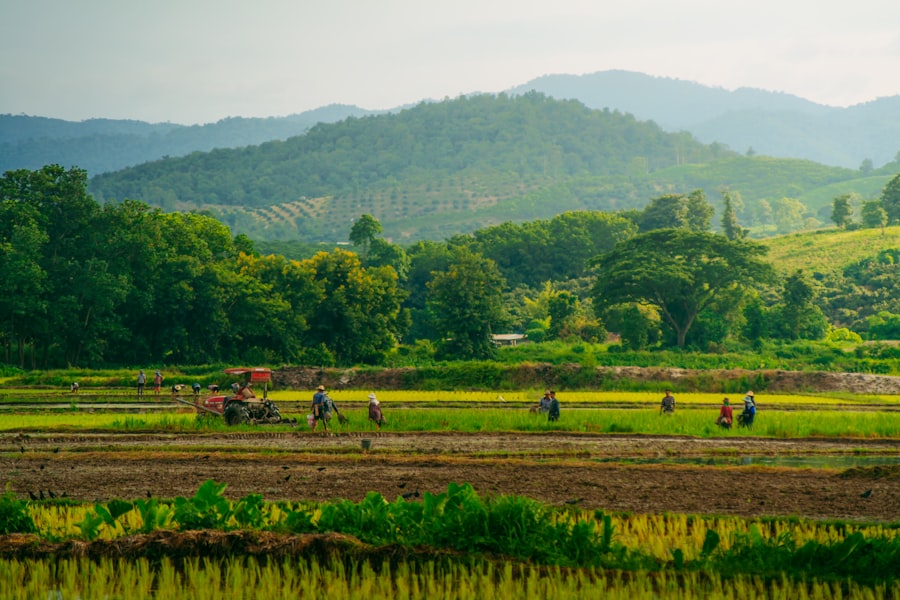
Sustainable food systems are integral to achieving food sovereignty, as they prioritize ecological health, social equity, and economic viability. These systems are characterized by practices that minimize environmental impact while maximizing local benefits. For example, agroecology—a holistic approach to farming—emphasizes biodiversity, crop rotation, and organic practices that enhance soil health and reduce reliance on chemical inputs.
By adopting such methods, communities can produce food in a way that is not only sustainable but also resilient to climate change. In addition to agricultural practices, building sustainable food systems involves creating local markets that support small-scale farmers and promote fair trade principles. Farmers’ markets, community-supported agriculture (CSA) programs, and local cooperatives are examples of initiatives that connect producers directly with consumers.
These models not only provide fresh, locally sourced food but also stimulate local economies by keeping money within the community.
Challenges and Solutions in Achieving Food Sovereignty
| Challenges | Solutions |
|---|---|
| Lack of access to land | Land reform policies, community land trusts |
| Corporate control of food system | Support for small-scale farmers, cooperative ownership |
| Climate change and extreme weather | Agroecological farming practices, resilient crop varieties |
| Loss of traditional knowledge | Support for indigenous food systems, knowledge sharing |
| Food waste and distribution inefficiencies | Local food networks, food preservation techniques |
Despite the clear benefits of food sovereignty, numerous challenges hinder its realization. One significant obstacle is the entrenched power of agribusiness corporations that dominate global food systems. These entities often prioritize profit over sustainability, leading to practices that degrade the environment and exploit labor.
Additionally, policies that favor industrial agriculture can marginalize small-scale farmers and limit their access to resources such as land, water, and credit. This systemic inequity creates barriers for communities striving for self-determination in their food systems. To address these challenges, grassroots movements play a crucial role in advocating for policy changes that support food sovereignty.
Community organizing efforts can raise awareness about the importance of local food systems and mobilize support for initiatives that prioritize small-scale agriculture. For instance, campaigns aimed at promoting land reform can help secure access to land for marginalized farmers, while educational programs can empower communities with knowledge about sustainable practices. Collaborations between local organizations, governments, and academic institutions can also facilitate research and innovation in sustainable agriculture, providing communities with the tools they need to thrive.
The Role of Government and Policy in Supporting Community Empowerment
Government policies play a pivotal role in shaping the landscape of food sovereignty and community empowerment. Supportive policies can create an enabling environment for local food systems to flourish by providing resources, funding, and infrastructure. For example, governments can invest in agricultural extension services that offer training and technical assistance to small-scale farmers.
Additionally, policies that promote land access for marginalized communities can help dismantle barriers to entry in the agricultural sector. Moreover, government support for local food initiatives can enhance community resilience in the face of economic fluctuations or environmental crises. By prioritizing local sourcing in public procurement policies—such as those for schools or hospitals—governments can stimulate demand for locally produced foods while simultaneously improving nutrition for residents.
Furthermore, policies that encourage urban agriculture can transform underutilized spaces into productive areas for growing food, thereby increasing access to fresh produce in urban settings where it may be scarce.
Success Stories in Achieving Food Sovereignty through Community Empowerment

Numerous success stories illustrate the potential of community empowerment in achieving food sovereignty across diverse contexts. One notable example is the “Food Sovereignty Project” in Cuba, which emerged in response to the economic crisis following the collapse of the Soviet Union. Faced with severe food shortages, Cuban communities turned to urban agriculture as a means of self-sufficiency.
Through grassroots initiatives, residents transformed vacant lots into productive gardens and implemented organic farming practices. This movement not only increased local food production but also fostered a sense of community solidarity and resilience. Another inspiring case is the “Indigenous Food Sovereignty” movement in North America, where Indigenous communities are reclaiming traditional agricultural practices as a means of cultural revitalization and self-determination.
Initiatives such as the “Three Sisters” gardening method—where corn, beans, and squash are grown together—reflect centuries-old agricultural wisdom that promotes biodiversity and soil health. By integrating traditional knowledge with modern sustainable practices, Indigenous communities are not only enhancing their food security but also preserving their cultural heritage. These examples underscore the transformative power of community empowerment in achieving food sovereignty.
By prioritizing local knowledge, fostering collaboration, and advocating for supportive policies, communities can reclaim control over their food systems and build a more just and sustainable future.


