



Food deserts are defined as geographic areas where residents have limited access to affordable and nutritious food. These regions often lack grocery stores, farmers’ markets, and other sources of fresh produce, leading to a reliance on convenience stores and fast-food outlets that typically offer processed and unhealthy food options. The U.S.
In urban settings, food deserts may manifest as neighborhoods with a high concentration of low-income households that are situated far from supermarkets, while in rural areas, the challenge may stem from the sheer distance to the nearest grocery store. The existence of food deserts is not merely a matter of convenience; it reflects deeper systemic issues related to socioeconomic status, urban planning, and public health. Many communities affected by food deserts are predominantly low-income and often face additional barriers such as inadequate public transportation, which further complicates access to healthy food options. The implications of living in a food desert extend beyond mere inconvenience; they can significantly affect dietary habits, health outcomes, and overall quality of life for residents. Understanding the multifaceted nature of food deserts is crucial for developing effective interventions that can help mitigate their impact on communities.
Key Takeaways
- Food deserts are areas with limited access to affordable and nutritious food, often due to a lack of grocery stores and fresh food markets.
- Living in a food desert can have a significant impact on an individual’s health, leading to higher rates of obesity, diabetes, and other diet-related diseases.
- Strategies for addressing food deserts include increasing the number of grocery stores, farmers’ markets, and community gardens in underserved areas.
- Community initiatives, such as food cooperatives and mobile markets, play a crucial role in increasing access to healthy food options in food deserts.
- Public policy and governmental efforts, such as financial incentives for grocery stores to open in food deserts, are essential in addressing the issue of limited food access. Additionally, businesses can also play a role in providing healthy options in food deserts through initiatives such as offering healthier food choices and partnering with local organizations to increase access to nutritious food.
Impact of Food Deserts on Health
The health implications of residing in a food desert are profound and far-reaching. Individuals living in these areas often experience higher rates of diet-related diseases such as obesity, diabetes, and cardiovascular conditions. The lack of access to fresh fruits and vegetables can lead to poor dietary choices, as residents may turn to calorie-dense, nutrient-poor foods that are more readily available in convenience stores.
Research has shown that neighborhoods with limited access to healthy food options correlate with higher obesity rates among children and adults alike. This is particularly concerning given the rising prevalence of obesity in the United States, which has been linked to various chronic health issues. Moreover, the psychological effects of living in a food desert can exacerbate health disparities.
The stress associated with food insecurity—defined as the lack of consistent access to enough food for an active, healthy life—can lead to mental health challenges such as anxiety and depression. The inability to provide nutritious meals for oneself or one’s family can create a sense of hopelessness and frustration. Additionally, children growing up in these environments may develop unhealthy eating habits that persist into adulthood, perpetuating a cycle of poor health outcomes.
The intersection of physical and mental health issues stemming from food deserts underscores the urgent need for comprehensive strategies to improve access to healthy food options.
Strategies for Addressing Food Deserts
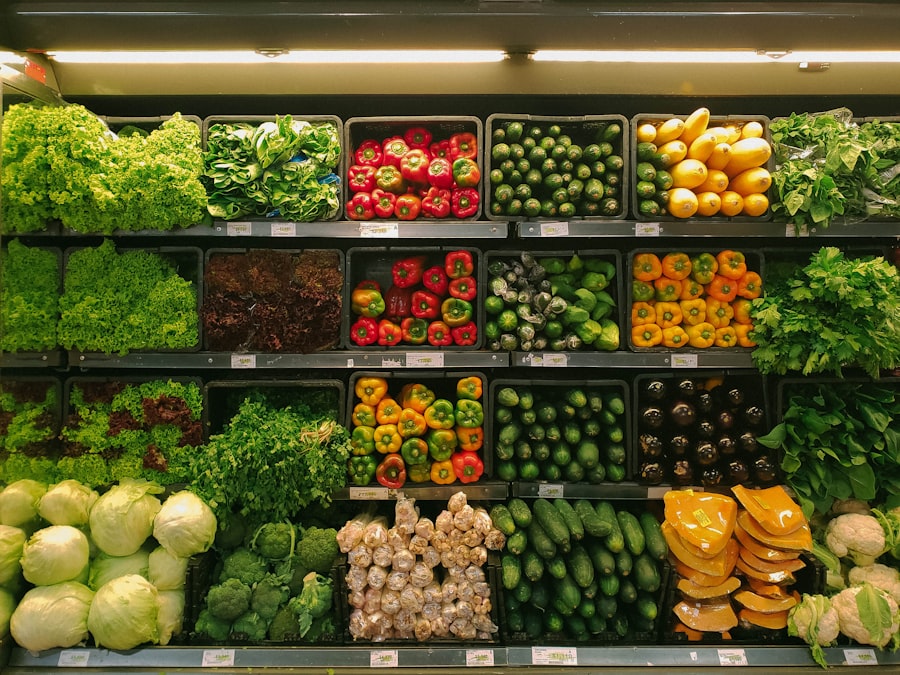
Addressing the issue of food deserts requires a multifaceted approach that encompasses various strategies tailored to the unique needs of affected communities. One effective strategy is the establishment of mobile markets or food trucks that bring fresh produce directly into underserved neighborhoods. These mobile units can operate on a schedule, making regular stops in areas where residents lack access to grocery stores.
By providing affordable fruits and vegetables in familiar locations, mobile markets can help bridge the gap between supply and demand for healthy food options. Another promising approach involves partnerships with local farmers and agricultural organizations to create community-supported agriculture (CSA) programs. These initiatives allow residents to purchase shares in local farms, receiving regular deliveries of fresh produce throughout the growing season.
CSAs not only provide access to healthy foods but also foster a sense of community and connection between consumers and local agriculture. Additionally, educational programs that teach residents about nutrition, cooking skills, and meal planning can empower individuals to make healthier choices despite limited resources. By equipping communities with knowledge and tools, these strategies can help combat the negative effects of food deserts.
Community Initiatives for Increasing Access to Healthy Options
| Initiative | Location | Target Population | Metrics |
|---|---|---|---|
| Farmers Market | City Center | Low-income families | Number of vendors, foot traffic |
| Community Garden | Neighborhood Park | Local residents | Number of participants, amount of produce grown |
| Healthy Cooking Classes | Community Center | Teens and young adults | Attendance, feedback from participants |
Community-driven initiatives play a vital role in increasing access to healthy food options in food deserts. One notable example is the establishment of community gardens, which allow residents to grow their own fruits and vegetables in shared spaces. These gardens not only provide fresh produce but also promote social interaction and community cohesion.
Participants often report increased knowledge about gardening and nutrition, as well as improved mental well-being from engaging in outdoor activities. In addition to community gardens, local organizations have launched programs aimed at improving food literacy among residents. Workshops that focus on cooking demonstrations using affordable ingredients can inspire individuals to prepare healthy meals at home.
These initiatives often emphasize the importance of using seasonal produce, which can be more affordable and flavorful than out-of-season options. Furthermore, collaborations with schools can introduce nutrition education into curricula, teaching children about healthy eating habits from an early age. By fostering a culture of health within communities, these initiatives can create lasting change in dietary behaviors.
Public Policy and Governmental Efforts to Address Food Deserts
Public policy plays a crucial role in addressing the systemic issues that contribute to food deserts.
For instance, tax breaks or grants can be offered to supermarkets willing to set up shop in low-income areas, making it financially viable for them to serve communities that might otherwise be overlooked.
Additionally, federal programs such as the Supplemental Nutrition Assistance Program (SNAP) can be expanded to support local farmers’ markets and community-supported agriculture initiatives. By allowing SNAP benefits to be used at these venues, policymakers can increase access to fresh produce while simultaneously supporting local economies. Furthermore, initiatives like the Healthy Food Financing Initiative (HFFI) aim to provide funding for projects that improve access to healthy foods in underserved areas.
Through strategic public policy interventions, governments can create an environment conducive to improving food access and ultimately enhancing public health outcomes.
The Role of Businesses in Providing Healthy Options in Food Deserts

Businesses have a significant role to play in addressing the challenges posed by food deserts. Grocery chains and local markets can implement strategies that prioritize stocking fresh produce and healthy options in their stores. By understanding the specific needs of their communities, businesses can tailor their offerings to include culturally relevant foods that resonate with local populations.
This not only meets consumer demand but also fosters loyalty among customers who appreciate having access to familiar ingredients. Moreover, businesses can engage in partnerships with local organizations and nonprofits focused on improving food access. For example, grocery stores might collaborate with community groups to host health fairs or cooking classes that promote healthy eating habits while showcasing their products.
Such initiatives not only enhance community relations but also position businesses as active participants in addressing public health challenges. Additionally, businesses can leverage technology by creating apps or online platforms that facilitate ordering fresh produce for delivery or pickup, making it easier for residents in food deserts to access healthy options without the barriers posed by transportation or mobility issues. In conclusion, addressing the complex issue of food deserts requires a concerted effort from various stakeholders including community members, policymakers, businesses, and non-profit organizations.
By understanding the underlying causes and impacts of food deserts, implementing effective strategies at both community and policy levels, and fostering collaboration among different sectors, it is possible to create sustainable solutions that enhance access to nutritious foods for all individuals regardless of their geographic location or socioeconomic status.


