



Food waste is a pressing global issue that has far-reaching environmental consequences. When food is discarded, it not only represents a loss of the resources that went into its production—such as water, land, and energy—but it also contributes significantly to greenhouse gas emissions. According to the Food and Agriculture Organization (FAO), approximately one-third of all food produced for human consumption is wasted, which translates to about 1.3 billion tons annually.
When this food decomposes in landfills, it generates methane, a potent greenhouse gas that is over 25 times more effective at trapping heat in the atmosphere than carbon dioxide over a 100-year period. This process exacerbates climate change, making food waste a critical environmental concern. Moreover, the environmental impact of food waste extends beyond greenhouse gas emissions.
The production of food requires vast amounts of natural resources, including water and arable land. For instance, it takes about 1,800 gallons of water to produce just one pound of beef.
This inefficiency places additional strain on our already limited natural resources, contributing to water scarcity and habitat destruction. The loss of biodiversity is another consequence of food waste; as agricultural practices intensify to meet the demands of a growing population, ecosystems are often disrupted, leading to the decline of various species. Thus, addressing food waste is not merely an issue of efficiency but a crucial step toward sustainable environmental stewardship.
Key Takeaways
- Food waste has a significant environmental impact, contributing to greenhouse gas emissions and wasting valuable resources such as water and land.
- Strategies for reducing food waste at home include meal planning, proper storage of food, and creative use of leftovers.
- Reducing food waste can lead to economic benefits such as saving money on grocery bills and reducing disposal costs.
- Innovations in food waste management, such as composting and anaerobic digestion, offer sustainable solutions for diverting food waste from landfills.
- Government and policy play a crucial role in reducing food waste through regulations, incentives, and support for food recovery programs.
- Education and awareness are important in reducing food waste, as they can help change consumer behavior and promote sustainable food practices.
Strategies for Reducing Food Waste at Home
Reducing food waste at home requires a multifaceted approach that begins with awareness and planning. One effective strategy is meal planning, which involves creating a weekly menu that outlines what meals will be prepared and what ingredients are needed. By planning meals in advance, individuals can avoid impulse purchases and ensure that they only buy what they will consume.
This practice not only minimizes waste but also saves money by reducing the likelihood of buying unnecessary items that may end up spoiling before they are used. Another practical approach is to adopt proper storage techniques for perishable items. Understanding how to store fruits and vegetables can significantly extend their shelf life.
For example, certain fruits like apples emit ethylene gas, which can hasten the ripening of nearby produce. Keeping ethylene-producing fruits separate from other vegetables can help maintain their freshness longer. Additionally, using clear containers or labeling items with expiration dates can help households keep track of what needs to be consumed first.
By implementing these strategies, families can cultivate habits that prioritize the use of food before it spoils.
The Economic Benefits of Reducing Food Waste
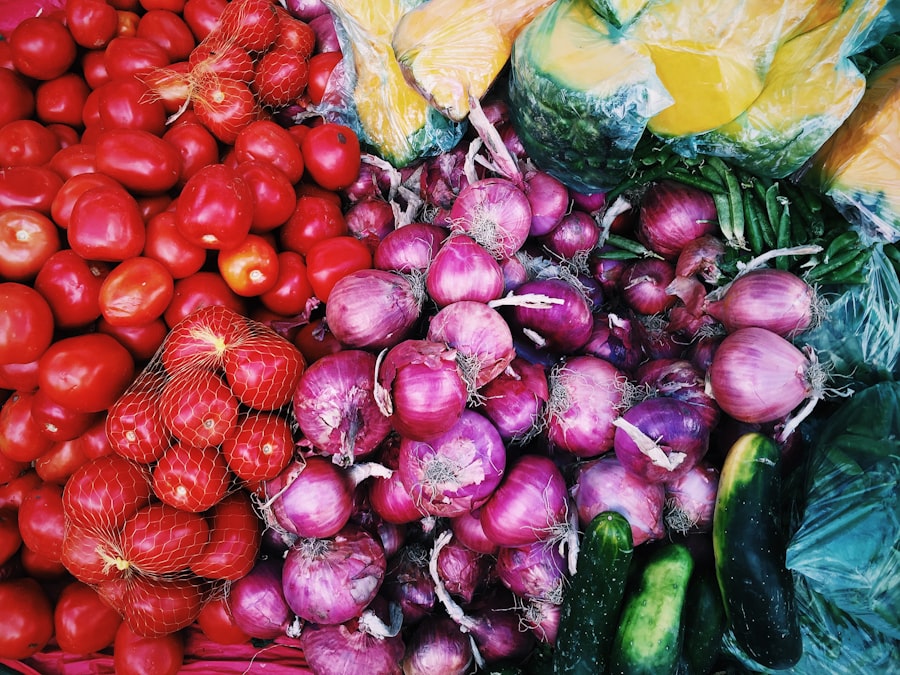
The economic implications of food waste are staggering, with estimates suggesting that the global cost of food waste amounts to nearly $1 trillion annually. This figure encompasses not only the value of the wasted food itself but also the associated costs of production, transportation, and disposal.
By being more mindful about purchasing and consuming food, families can allocate their resources more efficiently and reduce unnecessary expenditures. Businesses also stand to gain from reducing food waste. Restaurants and grocery stores that implement waste reduction strategies can improve their bottom line by minimizing losses associated with unsold or spoiled inventory.
For instance, some grocery chains have adopted dynamic pricing strategies that offer discounts on items nearing their expiration dates, encouraging consumers to purchase them before they go to waste. Additionally, businesses that donate surplus food to local charities not only contribute positively to their communities but may also benefit from tax deductions. The economic advantages of reducing food waste extend beyond individual households and businesses; they contribute to a more sustainable economy overall.
Innovations in Food Waste Management
| Metrics | Data |
|---|---|
| Food Waste Generated | 1.3 billion tons per year |
| Food Waste Recycled | Approximately 2% globally |
| Food Waste Composted | Approximately 11% globally |
| Food Waste Sent to Landfill | Approximately 85% globally |
| Food Waste Reduction Technologies | Various innovative solutions including anaerobic digestion, food waste-to-energy, and food waste prevention technologies |
Innovations in food waste management are emerging as critical solutions to address this pervasive issue. One notable advancement is the development of smart technology applications designed to help consumers track their food inventory and expiration dates. These apps can send reminders when items are nearing their expiration or suggest recipes based on ingredients that need to be used up soon.
By leveraging technology, individuals can make informed decisions about their food consumption and reduce the likelihood of waste. In addition to consumer-focused innovations, there are also significant advancements in industrial food waste management. Companies are increasingly turning to anaerobic digestion as a method for processing organic waste.
This technology converts food scraps into biogas, which can be used as a renewable energy source, while the remaining material can be transformed into nutrient-rich fertilizer for agricultural use. Such innovations not only help divert food waste from landfills but also create valuable resources that can benefit both energy production and agriculture.
The Role of Government and Policy in Reducing Food Waste
Government intervention plays a pivotal role in addressing food waste at both national and local levels. Policies aimed at reducing food waste can take various forms, including regulations that encourage businesses to donate surplus food rather than dispose of it. For example, some countries have implemented tax incentives for companies that donate edible food to charities, thereby promoting a culture of giving rather than wasting.
These policies not only help reduce the amount of food sent to landfills but also support those in need by providing access to nutritious meals. Furthermore, governments can invest in public awareness campaigns that educate citizens about the importance of reducing food waste and provide practical tips for doing so. Initiatives such as “Food Waste Awareness Week” or partnerships with local organizations can foster community engagement and encourage individuals to adopt more sustainable practices in their daily lives.
By creating an environment where reducing food waste is prioritized and supported through policy measures, governments can significantly influence consumer behavior and drive systemic change.
The Importance of Education and Awareness in Reducing Food Waste

Education and awareness are fundamental components in the fight against food waste. Many consumers are unaware of the scale of the problem or the impact their actions have on the environment and economy. Educational programs aimed at schools, community centers, and local organizations can provide valuable information about the consequences of food waste and practical strategies for reduction.
For instance, workshops that teach individuals how to compost or preserve seasonal produce can empower them to take action in their own homes. Moreover, raising awareness about the cultural aspects of food consumption can also play a significant role in reducing waste. In many cultures, there is a strong emphasis on sharing meals and using every part of an ingredient; these traditions can be revitalized through community initiatives that celebrate resourcefulness in cooking and eating practices.
By fostering a culture that values sustainability and resourcefulness, society can shift its perspective on food consumption and waste reduction from an individual responsibility to a collective goal. In conclusion, addressing food waste requires a comprehensive understanding of its environmental impact, economic benefits, innovative solutions, government policies, and the importance of education and awareness. By tackling this issue from multiple angles, we can create a more sustainable future where resources are utilized efficiently and responsibly.


