



Food assistance programs are critical components of social safety nets designed to alleviate hunger and improve nutritional outcomes for vulnerable populations. These programs are often implemented by government agencies, non-profit organizations, and community groups, aiming to provide immediate relief to those facing food insecurity. The need for such programs has become increasingly evident in recent years, as economic fluctuations, rising living costs, and unforeseen crises—such as the COVID-19 pandemic—have exacerbated food scarcity issues across various demographics.
Food assistance programs not only address the immediate need for sustenance but also play a vital role in promoting long-term health and well-being. The scope of food assistance programs is broad, encompassing a variety of initiatives that cater to different segments of the population. From federal programs like the Supplemental Nutrition Assistance Program (SNAP) to local food banks and community kitchens, these initiatives are designed to ensure that individuals and families have access to nutritious food.
The underlying philosophy of these programs is rooted in the belief that access to food is a fundamental human right, and addressing food insecurity is essential for fostering healthy communities. As such, understanding the intricacies of these programs is crucial for both policymakers and those in need of assistance.
Key Takeaways
- Food assistance programs provide crucial support to families in need
- Eligibility for food assistance programs is based on income and household size
- Types of food assistance programs include SNAP, WIC, and school meal programs
- Food assistance programs help alleviate food insecurity and improve nutrition for families
- Challenges to accessing food assistance include stigma, lack of awareness, and administrative barriers
Eligibility and Application Process
Eligibility Criteria
For instance, SNAP eligibility is primarily determined by a household’s gross income, which must fall below a certain threshold relative to the federal poverty level. Additionally, applicants must provide documentation that verifies their income, expenses, and household composition.
Challenges in the Application Process
This process can be daunting for many individuals, particularly those who may not be familiar with bureaucratic procedures or who lack access to necessary documentation. Many food assistance programs require applicants to fill out detailed forms that may be complex or confusing. In some cases, individuals may need to attend in-person interviews or provide additional information to verify their eligibility. This can create barriers for those who are already struggling with time constraints or transportation issues.
Support for Applicants
To mitigate these challenges, many organizations have begun offering assistance with the application process, providing resources such as workshops or one-on-one support to help individuals navigate the system more effectively.
Types of Food Assistance Programs Available

Food assistance programs can be categorized into several distinct types, each serving unique needs within the community. One of the most well-known federal programs is SNAP, which provides eligible low-income individuals and families with electronic benefits that can be used to purchase food at authorized retailers. SNAP is designed to supplement a household’s food budget, allowing recipients to buy nutritious foods while alleviating some financial pressure.
WIC provides nutrition education, breastfeeding support, and vouchers for purchasing healthy foods like fruits, vegetables, whole grains, and dairy products. This program not only addresses immediate nutritional needs but also promotes healthy eating habits from an early age.
Local food banks and pantries also play a crucial role in the food assistance landscape. These organizations collect surplus food from various sources—such as grocery stores, farms, and community donations—and distribute it to individuals and families in need. Many food banks have expanded their services to include not just emergency food supplies but also nutrition education programs and cooking classes aimed at empowering recipients to make healthier choices with the food they receive.
Impact of Food Assistance Programs on Families
| Metrics | Impact |
|---|---|
| Food Security | Increased access to nutritious food, reduced food insecurity |
| Health | Improved health outcomes, reduced risk of chronic diseases |
| Economic Stability | Reduced financial strain, increased ability to meet other basic needs |
| Child Development | Improved cognitive development, better academic performance |
| Community Well-being | Enhanced community health, reduced social disparities |
The impact of food assistance programs on families extends far beyond mere sustenance; these initiatives can significantly improve overall quality of life. Access to nutritious food is directly linked to better health outcomes, including reduced rates of chronic diseases such as obesity, diabetes, and heart disease. Families who participate in food assistance programs often report improved physical health and increased energy levels, which can enhance their ability to work or engage in daily activities.
Moreover, food assistance programs can have positive effects on children’s development and educational outcomes. Research has shown that children who have consistent access to nutritious meals perform better academically and exhibit improved cognitive function compared to their food-insecure peers. Programs like WIC not only provide essential nutrition but also offer educational resources that help parents understand the importance of healthy eating for their children’s growth and development.
Challenges and Barriers to Accessing Food Assistance
Despite the critical role that food assistance programs play in combating hunger, numerous challenges and barriers hinder access for many families in need. Stigma associated with receiving assistance can deter individuals from seeking help; many people feel embarrassed or ashamed about needing support, which can prevent them from applying for available resources. This stigma is often compounded by societal misconceptions about poverty and food insecurity, leading to further isolation for those who require assistance.
Additionally, logistical barriers can pose significant challenges. For instance, transportation issues may prevent individuals from reaching food banks or pantries, particularly in rural areas where public transportation options are limited. Furthermore, operating hours for many assistance programs may not align with the schedules of working families, making it difficult for them to access services when they need them most.
Language barriers can also impede access for non-English speakers or those with limited literacy skills, creating additional hurdles in navigating application processes or understanding program requirements.
Resources and Support for Families in Need
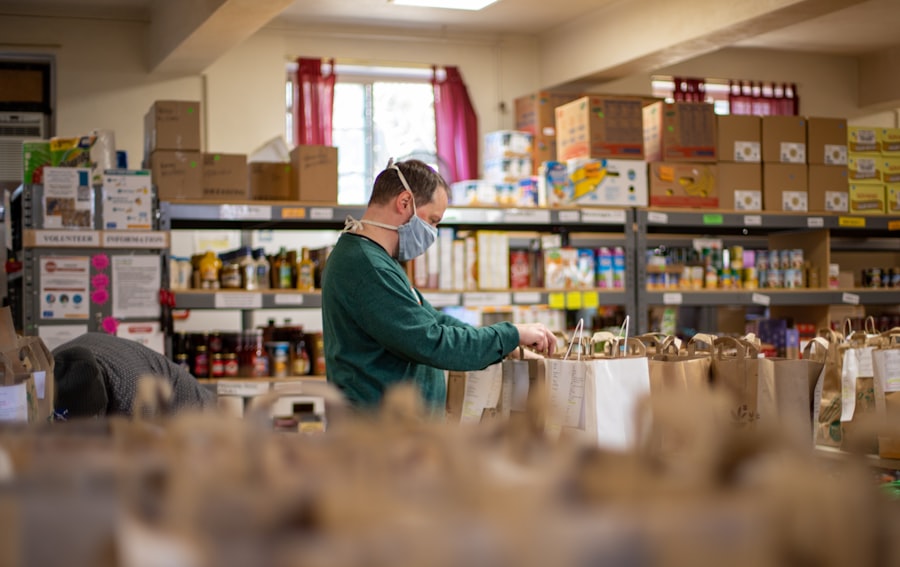
Food insecurity is a complex issue that requires a multifaceted approach. Recognizing this, various resources and support systems have been established to assist families in need.
Community-Based Support
Community organizations often serve as vital hubs for information and support regarding food assistance programs. These organizations may offer outreach services that help connect individuals with available resources while providing guidance on how to apply for assistance effectively.
National Resources and Online Platforms
In addition to local organizations, national hotlines and online platforms have emerged as valuable tools for families seeking help. Websites like Benefits.gov allow users to check their eligibility for various assistance programs based on their circumstances. Furthermore, many states have implemented user-friendly online application systems that streamline the process of applying for benefits like SNAP or WIC.
Collaborative Efforts and Empowerment
Collaboration between government agencies and non-profit organizations has also proven effective in addressing food insecurity comprehensively. Initiatives that combine food distribution with educational programming—such as cooking classes or nutrition workshops—empower families not only to access food but also to make informed choices about their diets. By fostering a supportive community environment that prioritizes education alongside immediate relief efforts, these resources can help families build resilience against future food insecurity challenges.
In conclusion, food assistance programs are essential lifelines for millions of individuals and families facing hunger across the United States. By understanding the eligibility criteria, types of available programs, their impacts on families, challenges faced in accessing these resources, and the support systems in place, we can work towards creating a more equitable society where everyone has access to nutritious food.


